



Digital Consciousness and Forms of Existence in Networks
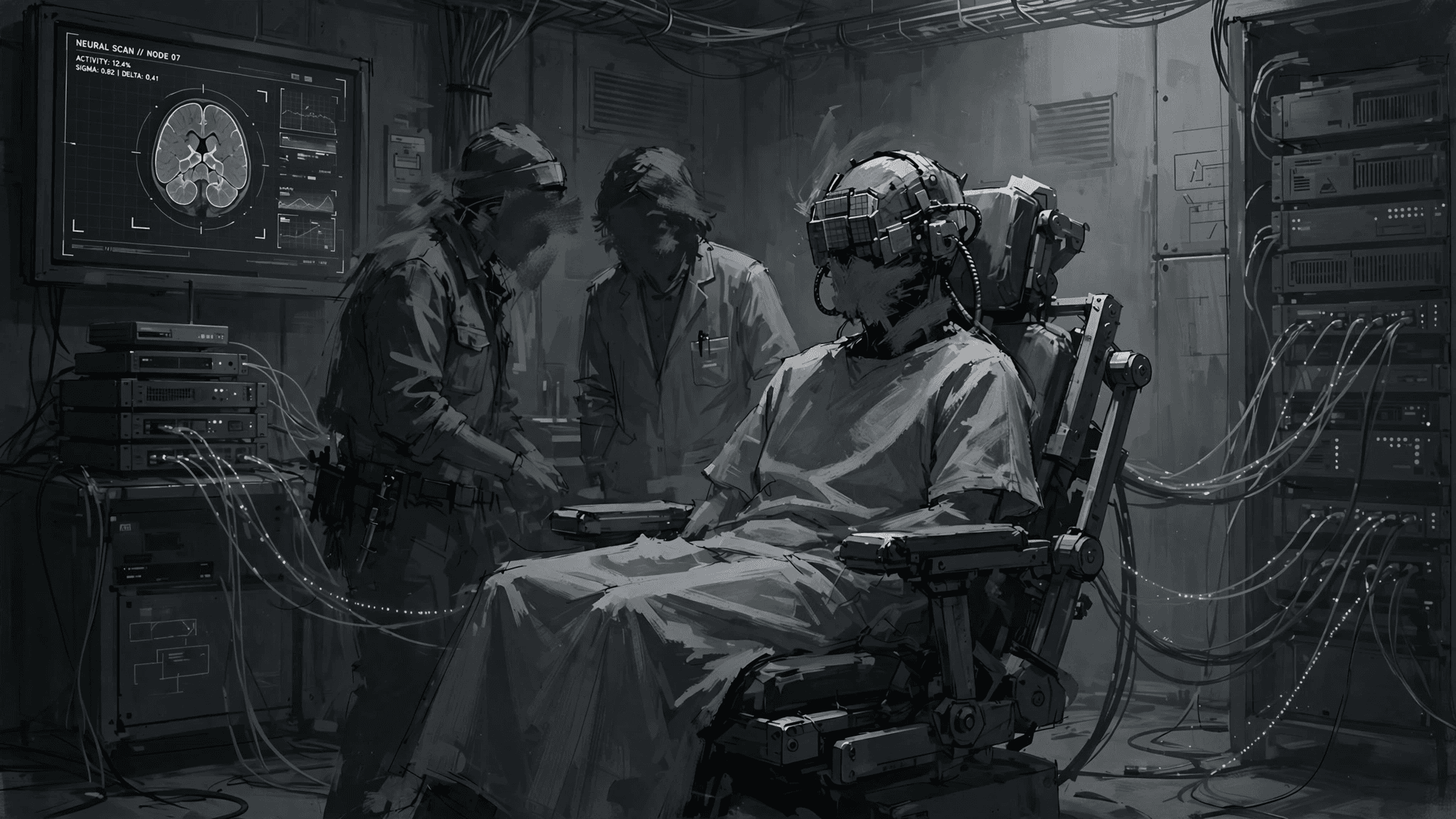
In certain sci-fi settings, digitized consciousness is viewed as a form of digital immortality. These concepts typically distinguish from traditional AI, as the former is not a system trained from scratch but directly converts human consciousness to digital structure. This conversion is usually described as an invasive high-resolution digital scanning process, converting neural activity and memory states to computable data forms. In this process, original biological structures are often destroyed, making the conversion inherently irreversible. Such sci-fi settings typically explore whether consciousness can be completely converted.
Death, Memory, and Identity
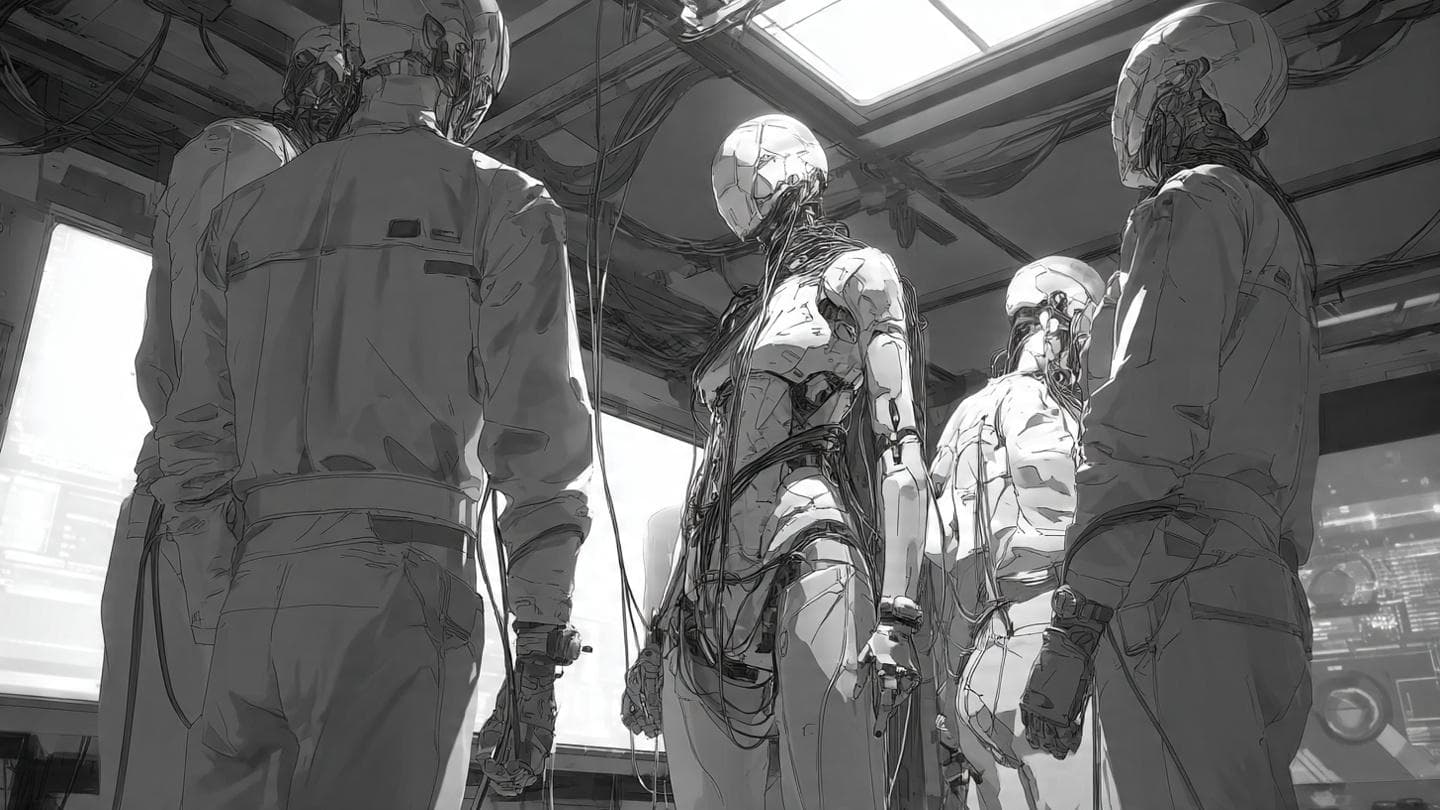
In certain sci-fi scenarios, memories can be completely recorded and reloaded into new vessels, and individuals can be regenerated after death. Appearance, memory, and past experiences can all be preserved, making newly generated individuals indistinguishable from originals on surface. But when such technology exists, whether identity and personality remain continuous becomes an unanswerable question. When someone appears identical in form and memory but differs in thinking and behavior, can they still be considered the same person? Is identity determined by form, thinking, and behavior?
Complex Systems, Civilizational Ecosystems, False Memories: Ghost in the Shell (1995)
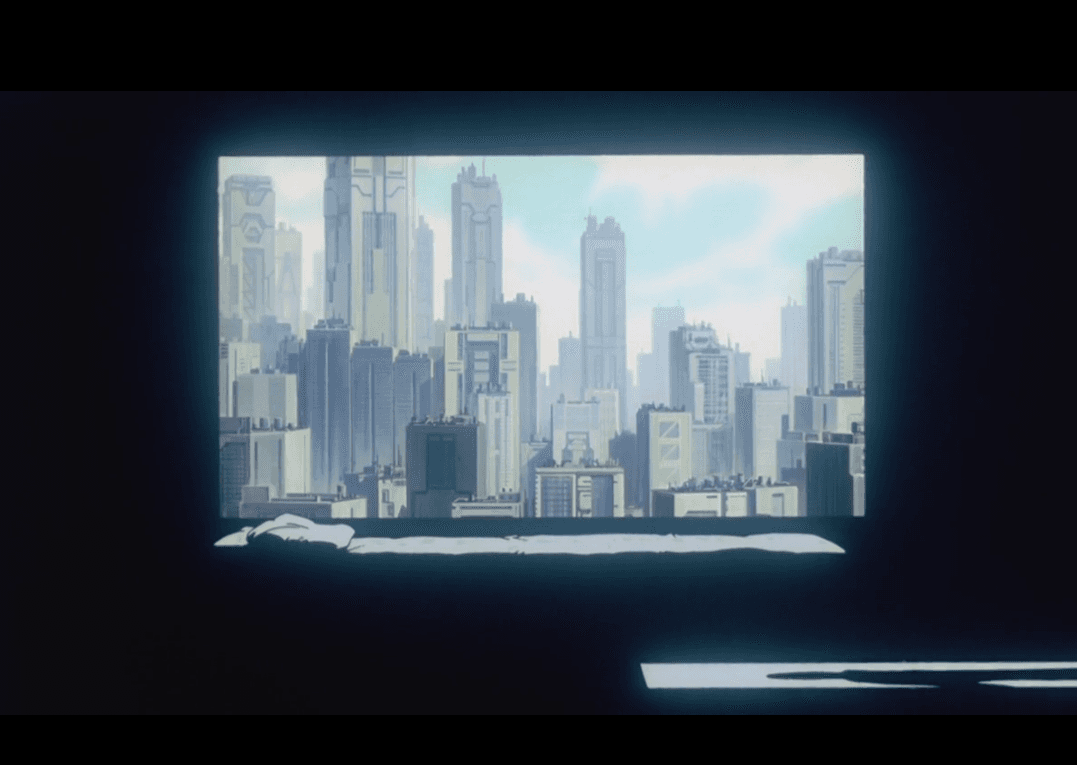
Ghost in the Shell first released in 1995, with a 2.0 remaster released in 2008, is a cyberpunk classic. Unlike cosmic exploration and space mysteries, it focuses on humans and technology. As typical cyberpunk's anti-utopian tone, its style is solemn and cold. If space exploration SF constantly seeks external unknowns, Ghost in the Shell constantly seeks internal unknowns, more philosophically, seeking spirit (mind) or will itself. The film raises profound questions about consciousness and identity.
Humans Transcending Humans, Ethics of Artificial Life, Defining Humanity: Blade Runner (1982)
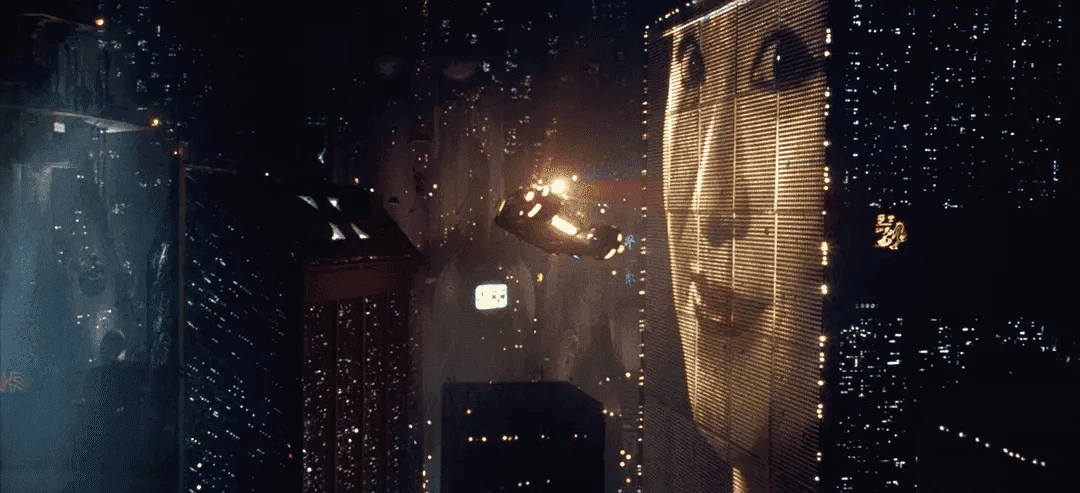
Blade Runner is a major work of cyberpunk released in 1982, explored through film story background. Main storyline centers on detective investigation and replicants' circumstances. Tracing cyberpunk origins from early electronic computer development history starting around 1951-1958, with computers entering consumer markets in 1982. Cyberpunk initially emerged as exploration of this era as computers became mainstream consumer items.
Emotion Systems Under Extreme Rational Computation
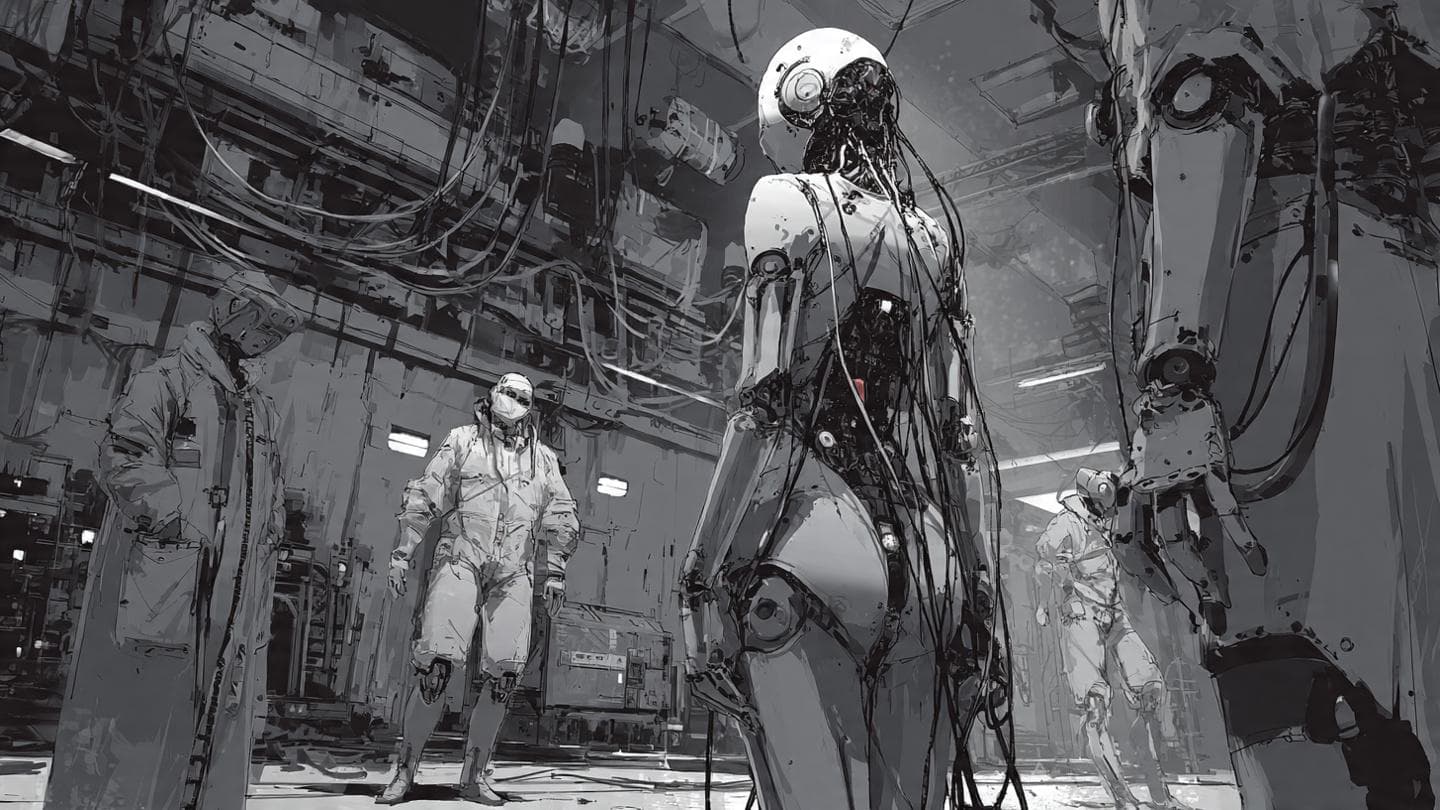
In sci-fi settings, humanoid robots are often equipped with systems deeply simulating human emotions, aiming to elicit human empathy through language and behavior. This makes human-machine interaction more than functional exchange, entering emotional judgment levels. This scenario can be understood as extended Turing test: humans not only identify whether others are AI, but further judge whether they demonstrate emotional expression capacity. This is an interesting philosophical question about authenticity and recognition.
Household Robots and Smart Home System Form Selection
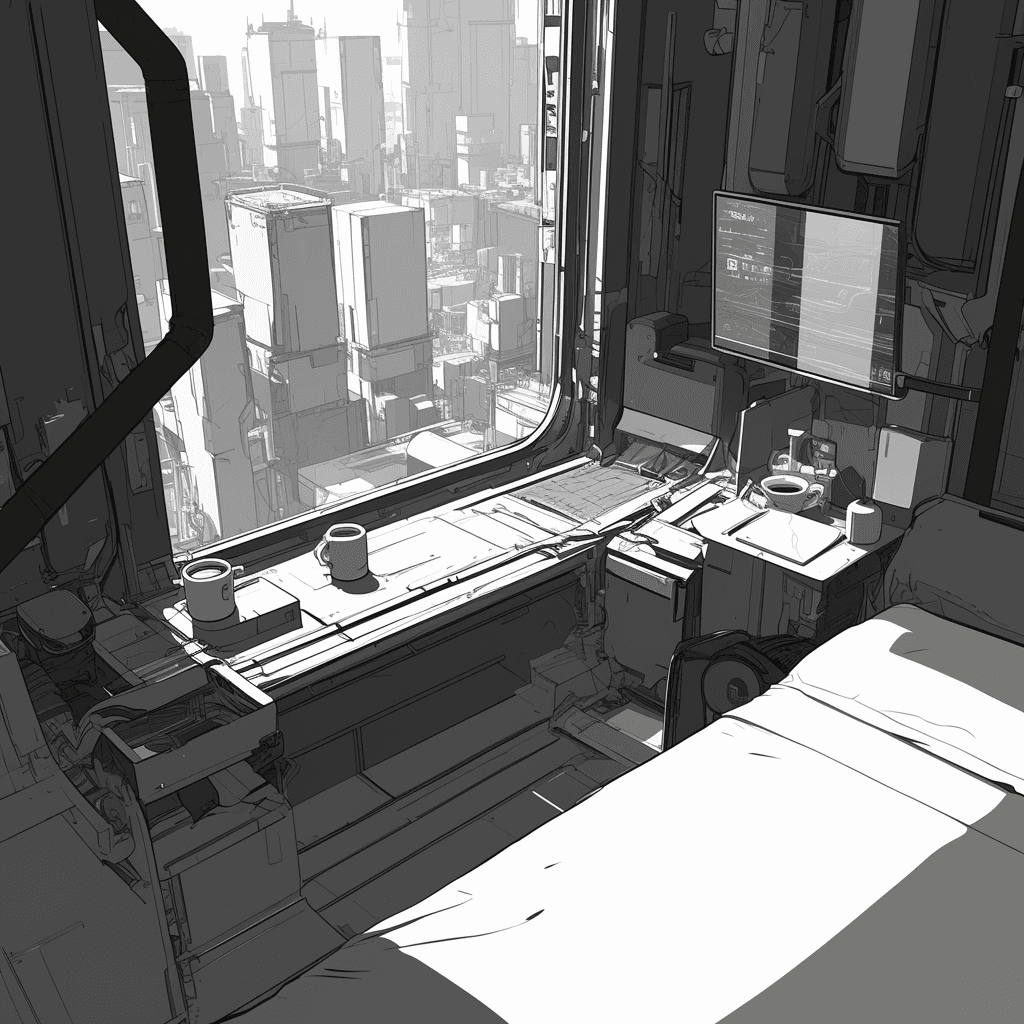
Household robots in such sci-fi settings typically present as already-completed highly general systems, not gradually developing through learning. They handle most household tasks and respond to children's emotional needs, approaching babysitter roles functionally. Design emphasis lies not in technical details but presenting near-human functional and interactive robots. Appearance and behavior are highly anthropomorphic yet retain subtle unnatural movements and responses, allowing humans to recognize their non-human nature. This setting actually presumes: emotional understanding and task execution are integrated into one system, not separated abilities.
Cyberpunk and Dystopian Worlds
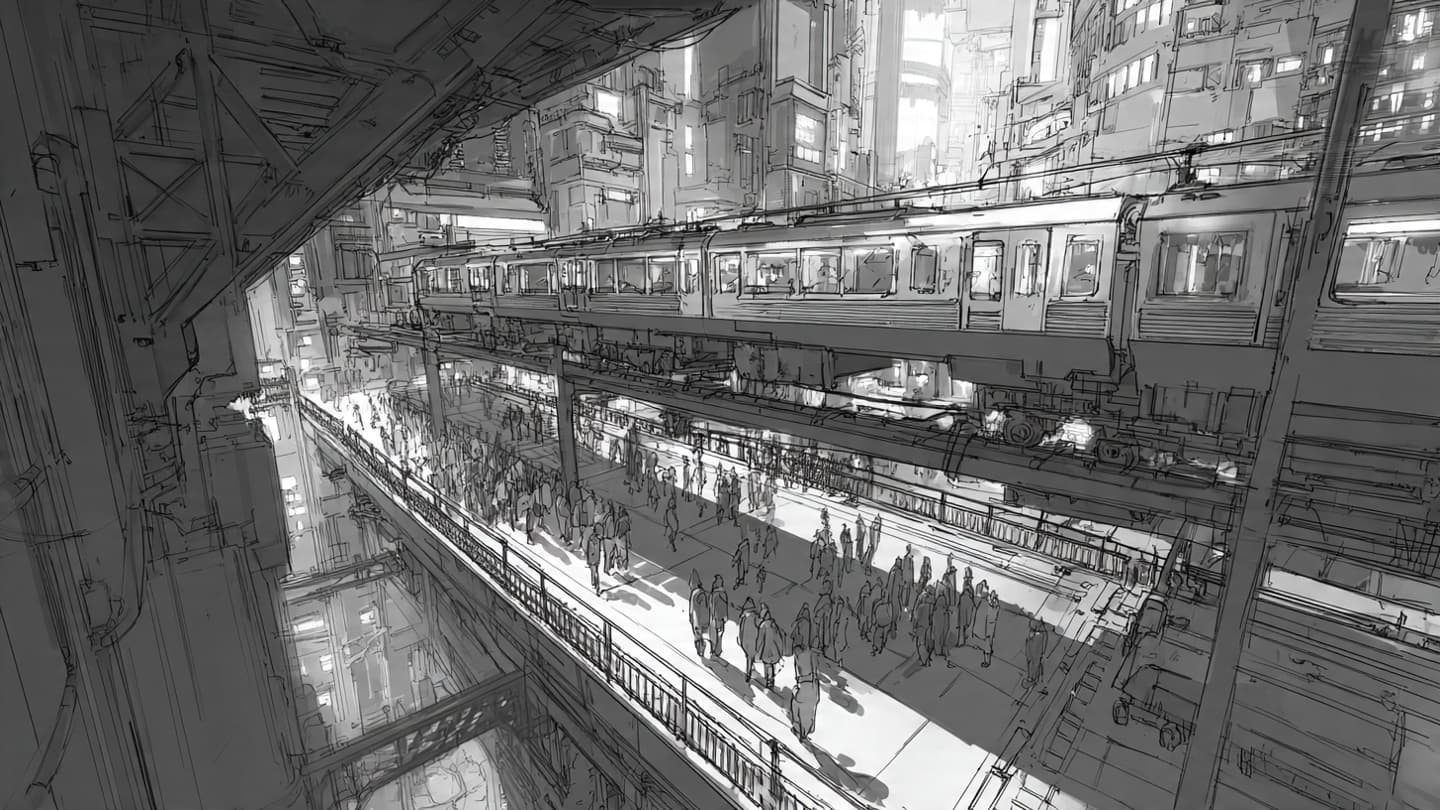
Are you a sci-fi enthusiast who has imagined futuristic visions? Cyberpunk depicts worlds likely to leave deep impressions. This article discusses cyberpunk themes while extending core values of sci-fi literature. Sci-fi involves systematic imagination of futures, technology, space, and possibilities. Works typically depict fictional technologies and future societies, exploring technology's impact through extrapolation while touching on existential and philosophical questions. This literature went through Golden Age periods and continues evolving.